

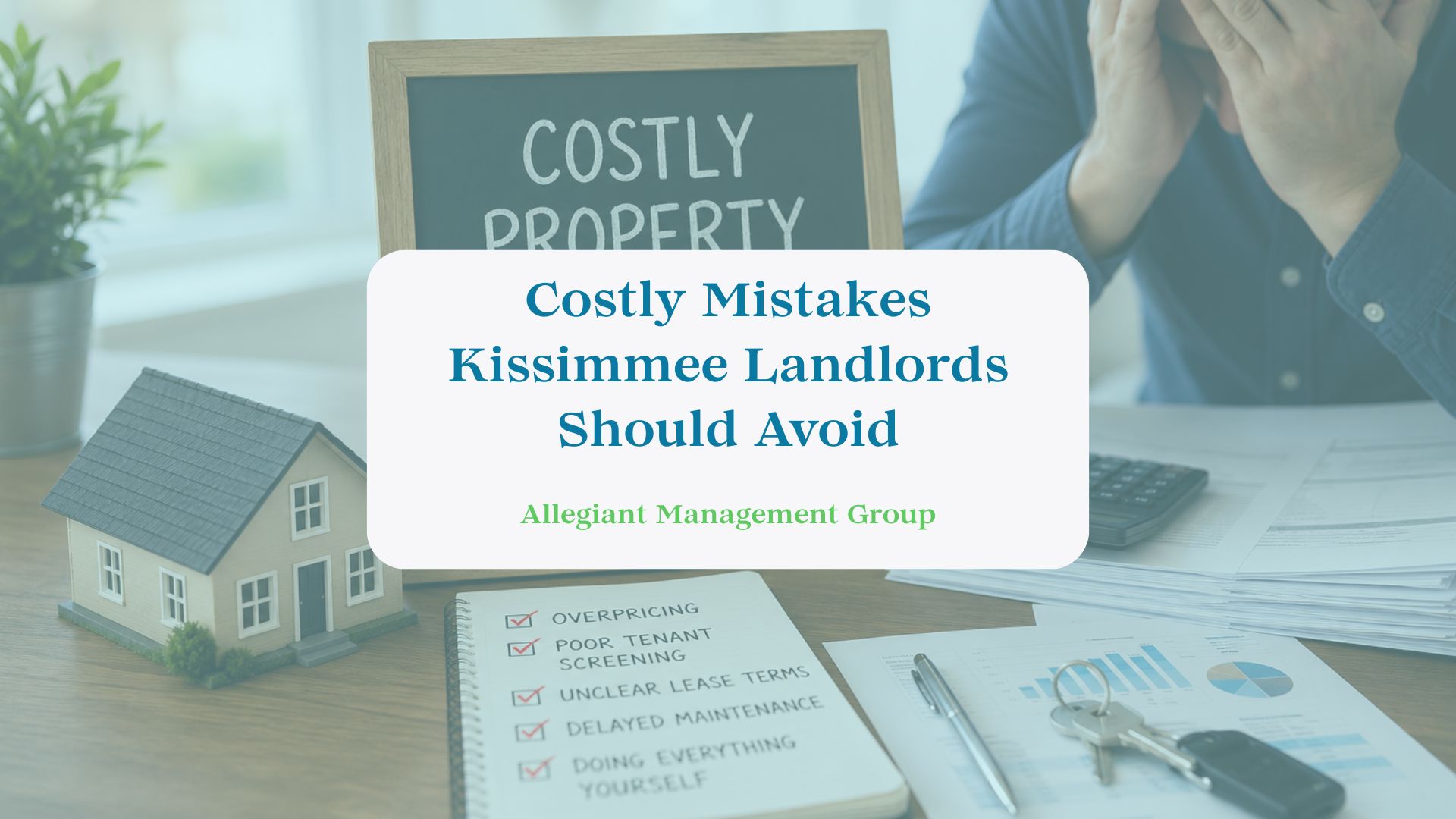
Owning a rental property in Kissimmee can be a strong long-term investment, but only when the property is managed with the right systems in place. A home that sits vacant too long, attracts the wrong tenant, or has delayed repairs can quickly lose money.
ALLEGIANT MANAGEMENT GROUP has worked with Central Florida rental owners for years, and the same issues tend to show up again and again. Most problems are not caused by one big mistake. They usually come from small decisions that build up over time.
Key Takeaways
- Overpricing a rental can lead to longer vacancy and weaker applicant interest.
- Poor tenant screening can increase the risk of late payments, damage, and legal problems.
- Unclear lease expectations often create disputes between landlords and tenants.
- Delayed maintenance can turn minor repairs into expensive property damage.
- Managing everything alone can become overwhelming without strong systems.
Rental Properties Need to Be Managed Like a Business
A rental property is not just a house with a tenant in it. It is an income-producing asset. That means decisions around pricing, screening, maintenance, documentation, and communication all affect your return.
Kissimmee also has its own local challenges. The area serves long-term residents, investors, vacation-related demand, and people moving throughout Central Florida. Local population and housing data can help landlords understand the broader market around them, including Kissimmee’s population and housing profile. When landlords rely only on guesswork, they usually end up reacting to problems instead of preventing them.
Mistake 1: Pricing Based on What You Want, Not What the Market Supports
One of the most expensive mistakes a landlord can make is setting rent too high.

It is understandable. Owners want to maximize income, especially when mortgage payments, insurance, taxes, repairs, and HOA fees keep rising. But the rental market does not care what an owner wants to collect. It responds to what qualified renters are willing to pay.
If a property is even slightly overpriced, it can sit longer than expected. That creates a chain reaction:
- More days without rent
- More pressure to reduce the price later
- Fewer interested applicants
- More negotiating power for renters
- More stress for the owner
The better approach is to look at what is actually renting, not only what is listed online. Listed rent and leased rent are not always the same thing.
Rental pricing should also factor in condition, location, amenities, time of year, competition, and the quality of the marketing photos. A well-priced property does not mean leaving money on the table. It means reducing vacancy while attracting stronger applicants.
For owners watching local legal and market changes, Florida rental law updates for 2026 can also help put pricing and rental decisions into better context.
Mistake 2: Treating Tenant Screening Like a Gut Decision
A friendly applicant is not the same thing as a qualified applicant.
Many landlords get into trouble because they rush to fill a vacancy. They meet someone who seems nice, hear a good story, and skip important screening steps. That can lead to late rent, lease violations, property damage, or eviction.
Strong tenant screening should be consistent, documented, and fair. At a minimum, landlords should review:
- Income
- Credit history
- Rental history
- Employment or income stability
- Prior landlord references
- Background details where legally allowed
- Ability to meet lease terms
The goal is not just to place a tenant quickly. The goal is to protect the property and reduce risk.
Landlords should also be careful that their screening process is applied consistently. Fair housing rules are an important part of rental housing, and owners should understand housing discrimination protections in rental housing.
A clean process helps protect both the landlord and the applicant. It also makes decisions easier because each applicant is measured against the same standards.
Mistake 3: Using a Lease That Leaves Too Much Room for Confusion
A weak lease creates weak expectations.
Many landlord and tenant disputes start because something was not clearly explained upfront. This can include rent due dates, late fees, maintenance responsibilities, pet rules, HOA rules, lawn care, pest control, AC filter changes, utilities, parking, and renewal terms.

For example, something as simple as replacing an AC filter can become a bigger issue if the lease does not clearly explain who is responsible. In Central Florida, where heat and humidity put extra pressure on HVAC systems, small maintenance habits matter.
A strong lease should explain:
- What the tenant is responsible for
- What the landlord is responsible for
- How maintenance requests should be submitted
- What happens when rent is late
- What rules apply to the property
- How violations are handled
The lease should not just exist to satisfy a formality. It should help prevent confusion.
Landlords should also think about how buying, selling, and representation agreements can affect rental strategy. For owners reviewing real estate decisions, why the buyer’s brokerage agreement matters is a useful related topic.
Mistake 4: Waiting Too Long to Handle Maintenance
Delaying maintenance usually feels like saving money in the moment. In reality, it often costs more later.
A small leak can turn into water damage. Water damage can turn into mold. A minor AC issue can become a full system failure. A loose handrail, clogged drain, or roof issue can turn into a bigger liability.
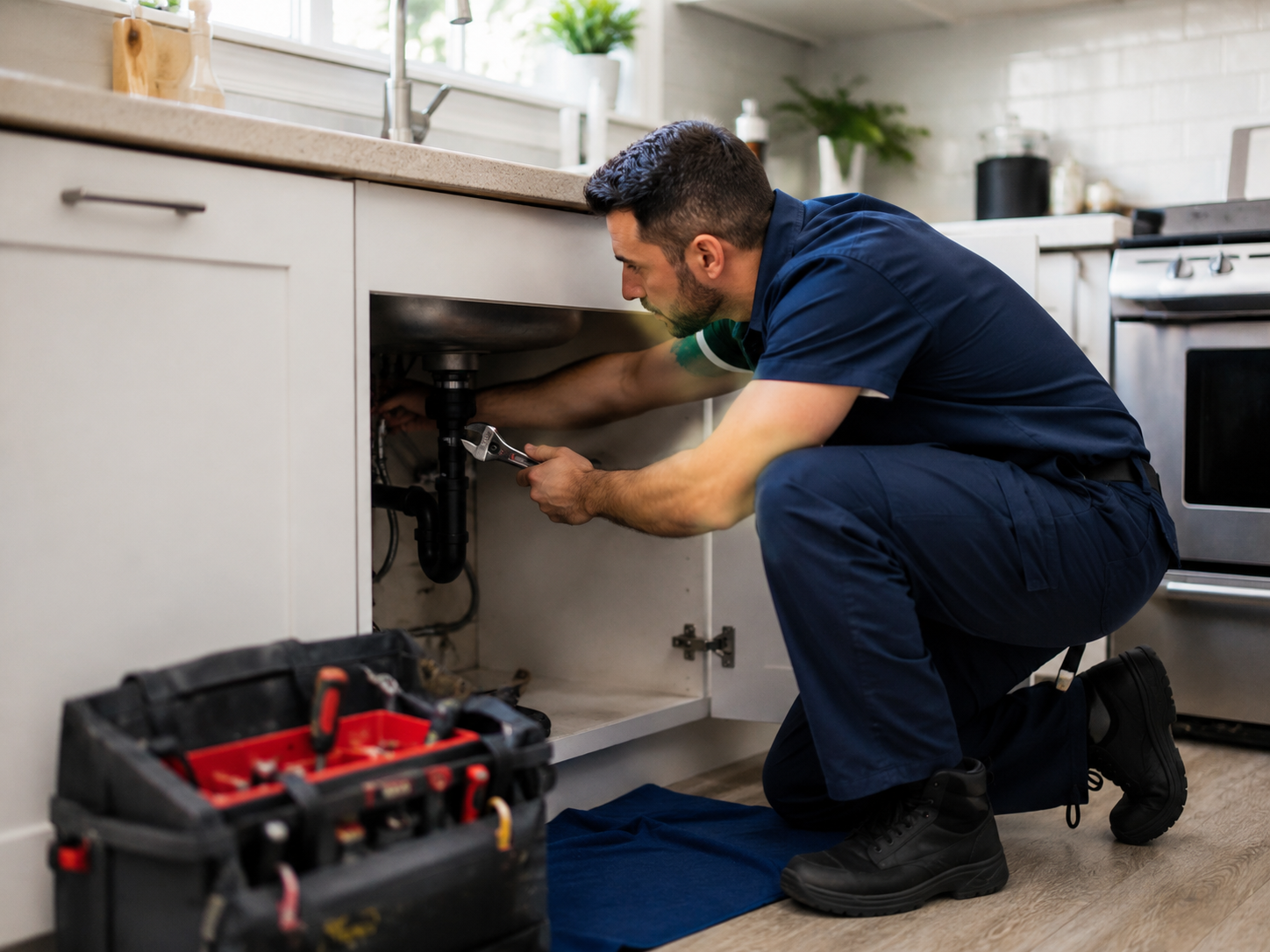
Preventive maintenance is especially important in Kissimmee and Central Florida because properties deal with heat, humidity, rain, storms, pests, and heavy wear on air conditioning systems.
Smart maintenance protects:
- Property value
- Tenant satisfaction
- Lease renewals
- Safety
- Long-term repair costs
- Owner cash flow
Landlords should keep records of repairs, invoices, inspections, and maintenance communication. Good records help with budgeting, planning, and tax organization. Rental owners should also understand rental real estate income, deductions, and record-keeping. Maintenance is not just an expense. It is part of protecting the asset.
Mistake 5: Trying to Manage Everything Without Systems
Many rental owners start by managing the property themselves. That can work for a while, especially with one property and a reliable tenant. But problems show up quickly when the owner does not have systems like these.
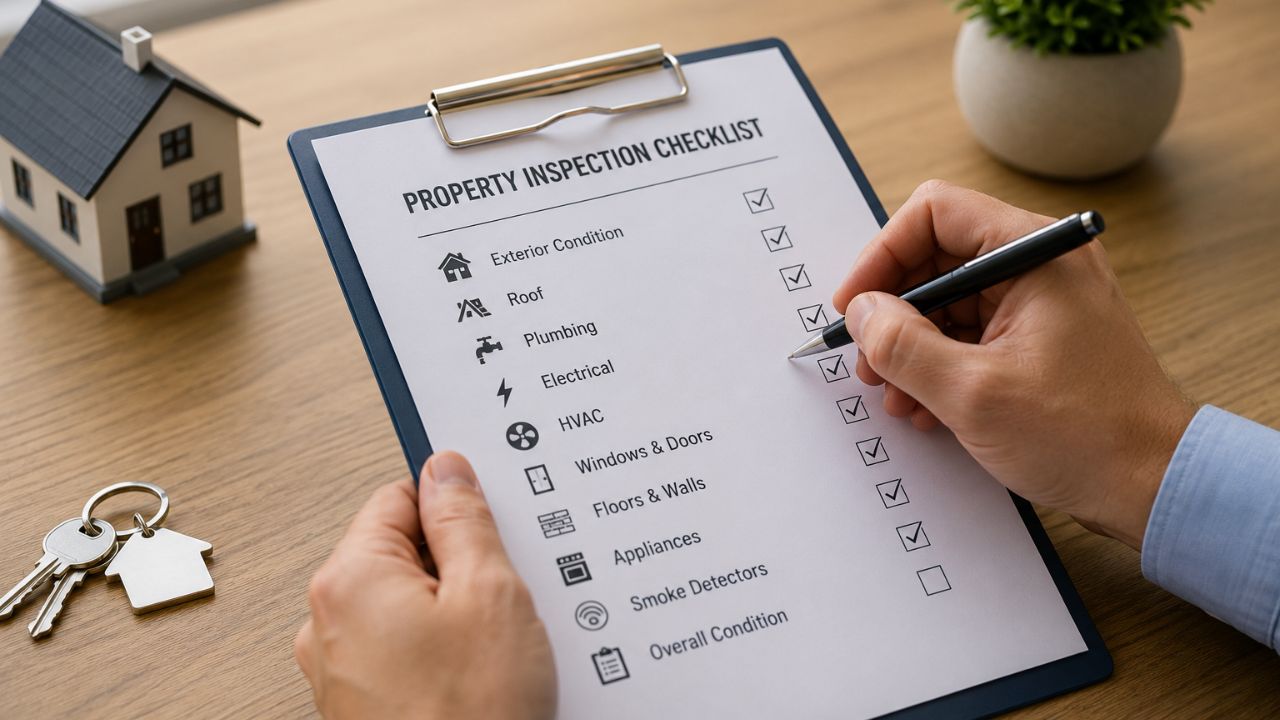
Property management includes more than collecting rent. It involves marketing, showings, screening, lease enforcement, inspections, vendor coordination, emergency calls, accounting, renewals, compliance, and communication.
Without systems, landlords often find themselves making decisions under pressure. That is when mistakes happen.
A good management system should answer questions like:
- How is rent collected and tracked?
- What happens when rent is late?
- How are maintenance requests handled?
- Which vendors are trusted and available?
- How often is the property inspected?
- How are lease violations documented?
- How are renewals handled?
- How is pricing reviewed before each new lease?
When owners do not have a process, the property starts managing them.
Strong systems are one reason professional management can make a meaningful difference. Recognition such as ALLEGIANT MANAGEMENT GROUP being named a 2025 market leader in Orlando reflects the importance of structured service, local experience, and consistent execution.
Final Thoughts
Avoiding costly property management mistakes comes down to preparation, consistency, and local market knowledge. Pricing correctly, screening carefully, setting clear expectations, staying ahead of maintenance, and using strong systems can help protect your rental investment. For Kissimmee and Central Florida property owners, ALLEGIANT MANAGEMENT GROUP brings practical experience to the everyday decisions that keep rental properties performing well.