
Key Takeaways:
Evaluate your goals first: Compare the financial benefits of renting versus selling by reviewing ownership costs, rental income potential, and long-term investment objectives.
Prepare your property for success: Complete repairs, service major systems, deep clean the home, and improve curb appeal to attract qualified tenants and reduce future maintenance issues.
Use smart leasing practices: Set a competitive rental rate, market effectively, screen applicants consistently, and create a clear lease agreement that complies with Florida regulations.
Plan for ongoing management: Successful rental ownership requires regular maintenance, recordkeeping, rent collection, legal compliance, and, for some owners, the support of a professional property management company.
Whether you're relocating, holding a property as a long-term investment, or exploring alternatives to selling, it comes down to the same conclusion:
Renting out your home in Kissimmee can create valuable opportunities for income generation and asset preservation.
However, successful rental ownership requires careful planning, compliance with applicable laws, and ongoing property oversight.
This guide from Allegiant Management Group outlines key considerations for property owners who are thinking about leasing a home in Kissimmee, Florida.
Click Here for a Free Rental Analysis
Should You Rent or Sell Your Kissimmee Home?
Before deciding to rent your property, it's important to evaluate your financial goals and long-term plans.
Selling may be appropriate if you prefer a clean exit, need immediate access to equity, or do not want the responsibilities associated with property ownership.
Renting out your property may be worth considering if the property can generate positive cash flow, support your investment strategy, or provide flexibility.

Factors to review when renting out in Kissimmee include:
Current mortgage obligations.
Property taxes and insurance costs.
Anticipated maintenance and repair expenses.
Potential vacancy periods.
Long-term investment objectives.
Local rental market conditions.
Our professional rental analysis can help you compare projected rental income with your ownership costs and determine whether leasing aligns with your goals.
Preparing Your Home for Rent
The condition of your property plays a significant role in attracting qualified applicants and reducing maintenance issues after move-in.
Ignoring any of these important steps is a landlord mistake that we caution against.
Make sure that you do the following to prepare your house, condo, or apartment for rental:
Complete Necessary Repairs
Address any deferred maintenance before listing the property.
Repair plumbing issues, damaged flooring, malfunctioning fixtures, broken screens, and other items that could affect habitability or tenant satisfaction.
Florida law requires landlords to maintain certain aspects of residential properties, making proactive maintenance an important part of risk management.
Service Major Systems
Schedule preventative maintenance for HVAC, plumbing, electrical, and other major systems.
Identifying concerns before occupancy can help avoid costly emergency repairs later.
Deep Clean the Property
A professionally cleaned home creates a positive first impression and helps establish expectations for how the property should be maintained throughout the tenancy.
Improve Curb Appeal and Photography
Well-maintained landscaping and professional-quality listing photos can increase interest in the the property.
Setting an Appropriate Rental Price
Pricing your rental is one of the most important decisions property owners make.
An asking price that is too high can lead to extended vacancy periods, while pricing too low may reduce the property's overall return on investment.

When determining rental value, consider:
Comparable rental properties in the area.
Property size and layout.
Condition and recent upgrades.
Garage and storage space.
Outdoor features.
Community amenities.
Location and accessibility.
Rental pricing should be reviewed using current market data and adjusted as conditions change.
Marketing Your Rental Property
Effective marketing helps maximize exposure and attract qualified applicants.
A comprehensive marketing strategy may include:
Professional photography.
Listings on major rental websites.
Detailed property descriptions.
Prompt inquiry responses.
Flexible showing availability.
Property descriptions should focus on the home's features, amenities, location benefits, and recent improvements rather than assumptions about who may be interested in the property.
Timely communication is equally important. Prospective renters often evaluate multiple properties simultaneously, making responsiveness a key component of successful leasing.
Applicant Screening Best Practices
Consistent and objective screening procedures help property owners make informed leasing decisions while complying with applicable housing laws.
A screening process may include:
Rental application review.
Income verification.
Employment verification.
Credit evaluation.
Rental history review.
Background screening, where permitted by law.
Establish written screening criteria and apply them consistently to every applicant.
Documentation and consistency are essential components of a compliant and defensible screening process.
Property owners should remain familiar with federal, state, and local housing regulations and seek legal guidance when necessary.
The United States Department of Housing and Urban Development has a handbook for federal housing statutes for reference.
Lease Agreement Essentials
A written lease agreement helps establish clear expectations for both parties and provides an important framework for the tenancy.

Key lease provisions often include:
Rent amount and payment terms.
Security deposit requirements.
Lease term and renewal procedures.
Maintenance responsibilities.
Pet policies, if applicable.
Occupancy standards.
Property rules and restrictions.
Procedures for notices and communications.
If the property is located within a homeowners association, owners should also verify any leasing restrictions, approval requirements, or minimum lease terms before advertising the home.
Move-In Documentation and Security Deposits
Proper documentation at move-in can help prevent disputes at the end of the tenancy.
Before occupancy:
Complete a detailed move-in inspection.
Photograph each room and major feature.
Document the condition of appliances and fixtures.
Retain records in the tenant file
Florida law establishes specific requirements regarding security deposits, including notice obligations, handling procedures, and timelines for returning deposits or providing notice of claims.
Property owners should understand these requirements and maintain thorough records throughout the tenancy.
Ongoing Landlord Responsibilities
Managing a rental property involves more than collecting rent each month. As a landlord, you are responsible for maintaining a safe and habitable place for your tenants to live.
Common responsibilities include:
Property Maintenance:
Maintain the property in accordance with applicable laws and address repair requests in a timely manner.
Preventative Inspections:
Periodic inspections can help identify maintenance concerns before they become larger issues.
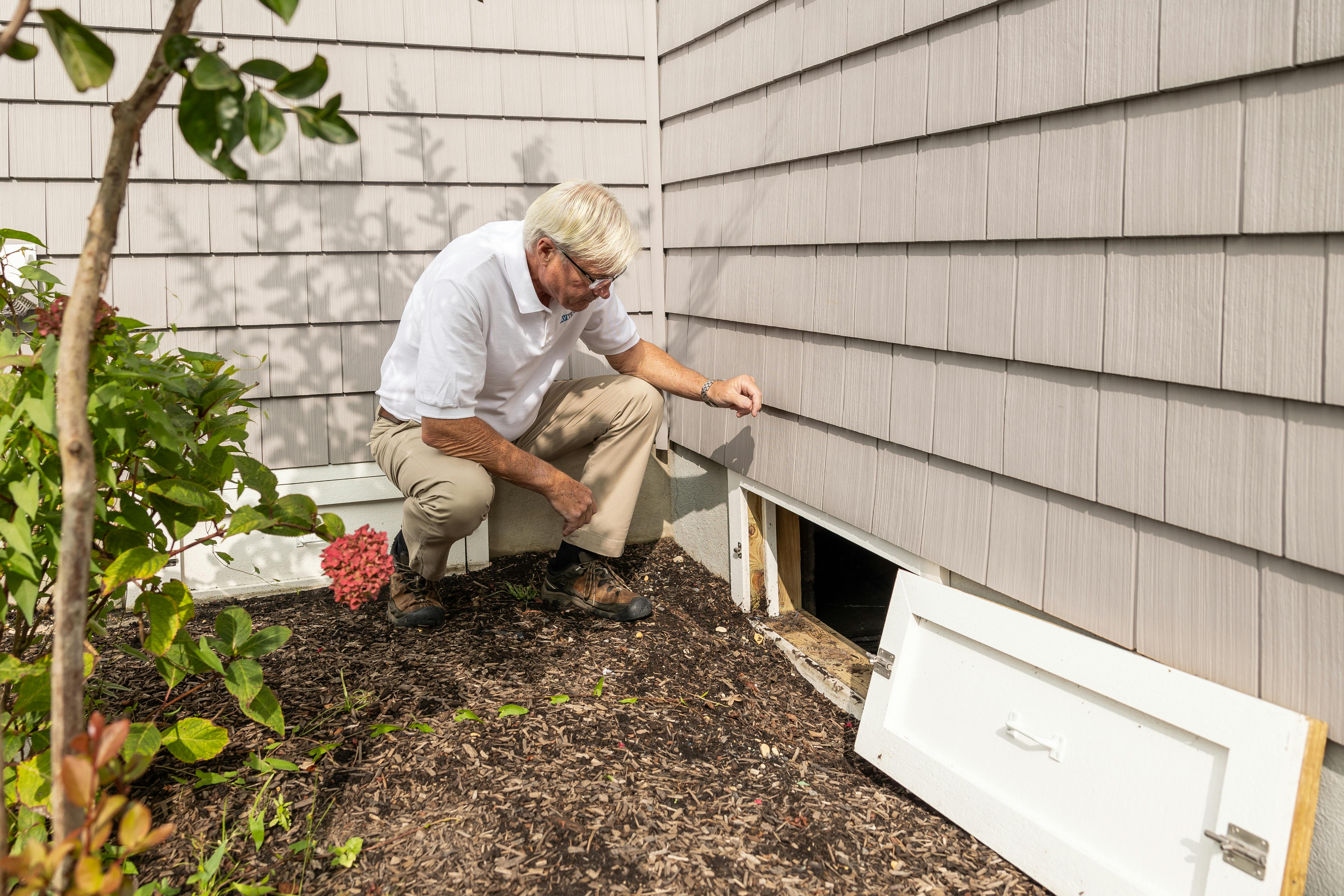
Make sure to document all inspections and maintenance tasks so that you have a record of care and baseline to compare subsequent inspections.
Rent Collection:
Implement consistent rent collection procedures and follow applicable legal requirements when addressing late payments.
Record-keeping:
Maintain organized records of lease agreements, inspections, maintenance invoices, communications, and financial transactions.
Emergency Preparedness:
Florida property owners should prepare for severe weather events and establish clear procedures for emergency communications and property protection.
Because of the sheer workload involved in property management done right, why not partner with a professional property management company?
When Professional Property Management May Make Sense
Some property owners prefer to self-manage their rentals, while others choose professional management support. Professional management may be worth considering if:
You live outside the area.
You have limited availability for tenant communications.
You own multiple properties.
You prefer assistance with leasing, maintenance coordination, and compliance matters.
You want to reduce the time spent on day-to-day property operations.
A qualified property manager can assist with marketing, applicant screening, lease administration, rent collection, maintenance coordination, inspections, and ongoing property oversight.
Benefits of Professional Property Management
Professional property management can help streamline rental operations and support long-term asset performance.
Potential benefits include:
Market-based rental pricing guidance
Professional marketing and leasing services
Consistent applicant screening procedures.
Maintenance coordination and vendor management.
Regular property inspections.
Detailed financial reporting.
Ongoing regulatory compliance support.
Reduced administrative burden for owners.

The right management approach depends on your investment goals, available time, and desired level of involvement.
Frequently Asked Questions
How Long Does it Take to Rent a Home in Kissimmee?
Leasing timelines vary based on pricing, property condition, location, market conditions, and marketing exposure. Well-maintained and competitively priced homes generally attract interest more quickly.
Do I need a License to Rent out My Own Home in Florida?
Requirements depend on the type of rental activity involved. Property owners should review current state and local regulations or consult qualified professionals to determine any applicable licensing or registration obligations.
How are Security Deposits Handled in Florida?
Florida law establishes specific requirements regarding the handling, notification, and return of security deposits. Property owners should familiarize themselves with these requirements before accepting a deposit.
Can I Manage my Rental Property if I Live Out of State?
Yes. However, remote ownership may require additional planning for maintenance coordination, inspections, emergency response, and tenant communications.
Final Thoughts
Renting out a home in Kissimmee can be a rewarding investment strategy when approached with proper planning and professional oversight.
But pairing with Allegiant Management Group will ensure that your investment strategy is fine-tuned to give you the best landlord experience.
From preparing the property and setting rental rates to screening applicants and maintaining compliance, each step contributes to the property's long-term success.