

Key Takeaways
The most reliable way to estimate rent in Kissimmee is to compare your home with similar nearby rentals, then adjust for size, condition, community amenities and association rules rather than trusting one online number.
Kissimmee has long-term, mid-term and vacation rental demand, and the strategy you choose changes both your income potential and your costs, so confirm what your community and local rules allow first.
Test your estimate against your expenses and goals, and get a second opinion, such as a free rental analysis, before you list the home.
Kissimmee is a distinctive rental market. A house in a resort-style community can have very different rental potential than a similar house on a quiet street in an older neighborhood, and association rules can change the answer completely.
This guide from Allegiant Management Group explains a practical, repeatable method for estimating what your Kissimmee house could rent for. Markets change, so treat every number as an estimate and verify details with local professionals before you decide.
Get in Touch with Our Experts!
Step 1: Write Down Exactly What You Own
Rent is built from details, so begin with a clear description of your property. Collect the following information:
Address, community name and nearby major roads.
Bedrooms, bathrooms and finished square footage.
Age and condition of the roof, flooring, kitchen, bathrooms, and appliances.
Garage, driveway or other parking.
Pool, screened lanai, fenced yard or other outdoor features.
Air conditioning age and service history, which matters a great deal in a Florida climate.
Association fees and amenities, such as a clubhouse, pool, or gated entry.
Rules about leasing, minimum lease length, pets, and parking.

Be realistic about condition. A well-kept home with updated finishes may command more than a dated one, even when the floor plans are the same. If you are unsure how your home compares, ask a local manager for an honest opinion.
Step 2: Check Association and Community Rules First
Before you calculate anything, confirm what is allowed. Many Kissimmee communities have homeowners associations with leasing rules. Some require approval of tenants, limit how often you can rent, set minimum lease terms or prohibit short-term stays.
These rules can affect both your rent and your strategy, and they can change, so ask the association for the current documents in writing.
Local and state requirements may also apply to certain types of rentals, including licensing and tax obligations for short-term stays. These laws change, so verify current requirements with official sources and consult a qualified attorney or tax professional.
Step 3: Gather True Comparable Rentals
Comparable rentals, or comps, are the backbone of a good estimate. Search for homes that match yours as closely as possible in location, bedroom count, size, age and amenities. Homes in the same community or a neighboring one are usually the best comparisons, because they share the same association, schools and general appeal.
Collect at least five to ten comps. For each, record the address, rent, bedrooms, bathrooms, square footage, condition, pool or yard features and whether it is still available. A listing that has been on the market for a long time may be priced too high. Keep notes so you can see patterns, such as which features seem to produce higher rents.

Pay special attention to homes that look most like yours on paper but rented for very different amounts. When that happens, there is usually a reason, such as a recent renovation, a better location within the community or a more flexible pet policy.
Understanding those reasons helps you decide where your own home sits in the range and prevents you from anchoring on the highest number you happen to find.
Step 4: Separate Asking Rent From Achieved Rent
The price in an online listing is what the landlord hopes to receive. The achieved rent is what the tenant actually agreed to pay after any negotiation. These numbers can differ, especially if a home sat for weeks or a concession was offered. When possible, learn how long comparable homes took to lease and whether the price changed along the way.
Local property managers often have access to recent lease data that the public does not see. If you speak with one, ask how quickly similar homes have rented and what price range produced the best results.
Step 5: Adjust for Differences
No two homes are identical, so adjust each comp up or down for the differences. A private pool, an updated kitchen or a larger lot may justify a higher estimate. An older roof, dated bathrooms or a smaller garage may pull your estimate down. Use a consistent approach and be conservative.
Common adjustment factors include:
Square footage and bedroom count.
Updated finishes versus original finishes.
Pool, lanai or fenced yard.
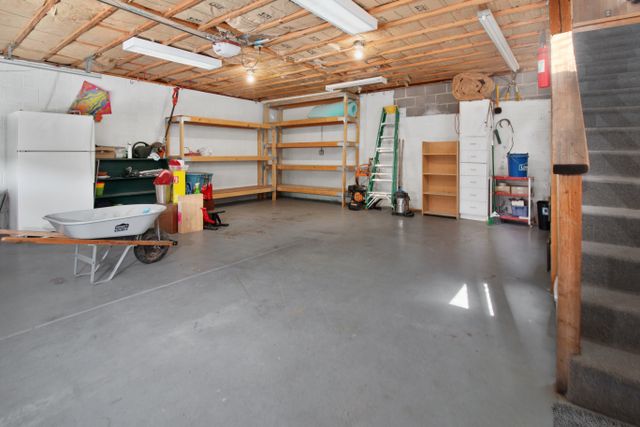
Garage or extra parking.
Community amenities and gated access.
Pet policy.
Utilities or lawn care included in rent.
Check Out Our Property Management Services!
Step 6: Think About Rental Strategy
Central Florida supports several kinds of rentals. A traditional long-term lease usually offers steadier income and simpler operations. Mid-term and vacation rentals may bring higher nightly or monthly rates, but they often come with more turnover, higher operating costs, furnishing expenses, taxes and stricter rules.
Ask what your community permits and what you are willing to manage. A higher gross figure does not always mean higher profit once you subtract cleaning, utilities, supplies, vacancy and management costs. Be careful with projections, since no one can guarantee future income.
Step 7: Test the Number Against Your Costs
After you settle on an estimate, compare it with the cost of owning the home. Add your mortgage payment if you have one, property taxes, insurance, association dues, lawn care, pest control, maintenance and a reserve for repairs. Include expected vacancy and management fees if you plan to use a manager. This shows whether the rent supports your goals.

If the numbers fall short, resist the urge to simply raise the rent. A price above the market can create longer vacancy, which may cost more than a modest reduction. Consider whether targeted improvements, a different lease length or a different approach would make the home more competitive.
Step 8: Consider Timing and Marketing
Demand can shift throughout the year, so look at when comparable homes were listed and how fast they rented. Strong photos, an accurate description and prompt responses help attract qualified applicants.
Review activity after the first week. Plenty of inquiries and showings suggest your price may be right, while little interest suggests that you should review the price, photos and listing details.
Apply consistent screening standards and follow fair housing rules for every applicant. Florida and local requirements can change, so verify current rules and consult a qualified attorney for legal questions in Kissimmee.
Common Mistakes to Avoid
Check out this list of common mistakes Kissimmee landlords should avoid:
Relying on one online estimate without checking local comps.
Ignoring association rules until after you have signed a lease.
Comparing your home to renovated homes when yours is dated.
Setting rent to match your mortgage instead of the market.
Forgetting vacancy, maintenance and turnover in your budget.
Mixing long-term and vacation income assumptions.
Bottom Line
You can estimate Kissimmee rent with a simple method: define your property, confirm the rules, gather true comps, separate asking from achieved rent, adjust for differences and test the result against your costs. Treat the answer as an estimate and revisit it as the market changes. To talk with Allegiant Management Group about your home, call (407) 439-2461.
Frequently Asked Questions About Renting Your House in Kissimmee
How accurate are online rent estimates for Kissimmee homes?
They can give a rough range, but they often miss condition, upgrades, association rules and community differences. Use them as a starting point, then compare local rentals and ask a professional. Every estimate is only an estimate.
Can I rent my house for more as a vacation rental?
Sometimes the gross income is higher, but expenses, turnover and rules are often higher too. Many communities restrict short stays, so check your association documents first. For tax and legal questions, consult qualified professionals and verify current requirements.
What if my home is not in great condition?
Condition affects both rent and vacancy. Consider which repairs would most improve appeal, such as paint, flooring or air conditioning service, and whether they are worth the cost. A manager can often recommend rent-ready updates for your budget.
Can a property manager help me set the rent?
Yes. A local manager can review comps, recent leases and market conditions. Allegiant Management Group, at (407) 439-2461, offers a free rental analysis and lists marketing, tenant screening, rent collection, maintenance and financial reporting among its services.
Do legal rules affect how I rent my house?
Florida and local rules can affect leases, deposits, notices, fair housing and short-term rentals. These rules change, so verify current requirements with official sources. For advice about your situation, consult a qualified attorney.